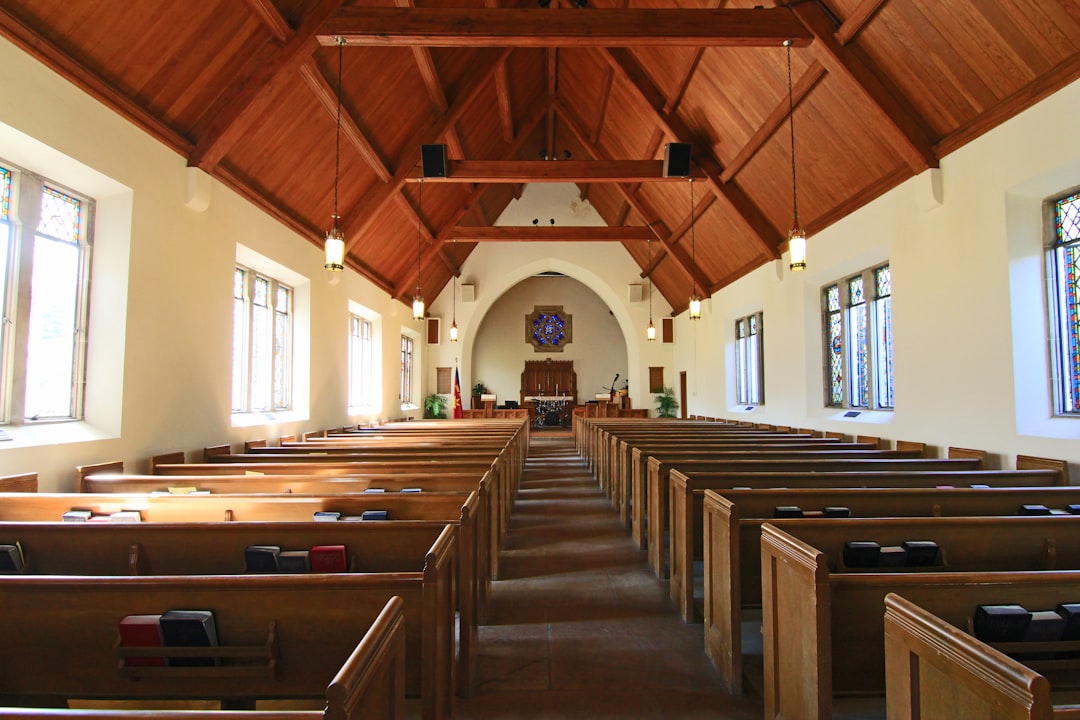
Clergy abuse attorneys in Indiana are vital for supporting survivors and navigating complex legal issues related to church misconduct. They balance justice with sensitivity, understanding statutes of limitations, First Amendment protections, and traumatic experiences. These attorneys bring cases to light, hold perpetrators accountable, facilitate reconciliation, and empower survivors. Key insights include meticulous documentation, strategic litigation, leveraging past case data, and building strong evidence. Successful outcomes secure compensation, expose systemic issues, promote institutional reforms, and foster community among survivors, ultimately enhancing transparency and accountability in religious institutions.
Clergy abuse survivors across Indiana have a powerful ally in the fight for justice. The state’s clergy abuse attorneys are dedicated to holding accountable those who have caused immense harm within religious institutions. This issue demands urgent attention, as countless individuals have suffered in silence, often due to the deep-rooted cultural and legal complexities surrounding clerical power.
These specialized Indiana clergy abuse attorneys leverage their profound knowledge of state laws and church governance structures to ensure survivors receive the support and compensation they deserve. By navigating these intricate labyrinths, they empower victims to emerge from the shadows, share their stories, and hold perpetrators accountable.
Understanding Clergy Abuse in Indiana: Legal Frameworks

In Indiana, clergy abuse attorneys play a pivotal role in advocating for survivors and navigating complex legal landscapes surrounding church-related misconduct. Understanding the unique dynamics of clergy abuse within the state’s legal framework is essential for effective representation. The laws in Indiana regarding clergy abuse vary depending on the type of alleged offense, making it crucial for attorneys to have an in-depth knowledge of these regulations.
One key aspect is the statute of limitations for reporting and prosecuting clergy abuse cases. Indiana has established time limits for filing criminal charges related to sexual abuse, which can vary based on the age at which the abuse was discovered. For instance, if a survivor reveals the abuse after reaching adulthood, there may be a shorter window to file civil lawsuits against the offending clergy members or institutions. Clergymen and organizations in Indiana are subject to these legal frameworks, ensuring accountability through potential civil litigation and criminal proceedings.
Clergy abuse attorneys in Indiana must also consider the unique relationship between religious institutions and state laws. The First Amendment provides certain protections for religious organizations, but these do not extend to crimes such as sexual assault or emotional manipulation within the clergy-congregant context. Attorneys specializing in this area must balance the need for justice with the sensitivity required when dealing with deeply personal and often traumatic experiences of survivors. By staying abreast of legal developments and building a strong understanding of these frameworks, Indiana clergy abuse attorneys can provide robust support to their clients and contribute significantly to the healing process.
The Role of Attorneys in Supporting Survivors

In the fight against clergy abuse, Indiana clergy abuse attorneys play a pivotal role in supporting survivors and advocating for justice. These legal professionals are not just advocates; they serve as guiding stars, offering crucial support to individuals who have experienced trauma within religious institutions. Their expertise lies in navigating complex legal systems while understanding the unique psychological and emotional needs of their clients.
Attorneys specializing in clergy abuse cases understand the importance of creating safe spaces for survivors to share their stories. They collaborate with mental health professionals to ensure that victims receive comprehensive care, addressing both legal and therapeutic aspects of healing. For instance, they may facilitate mediation processes between survivors and religious organizations to foster reconciliation, offering a sense of closure and accountability. By combining legal acumen with empathy, these attorneys empower survivors to take control of their narratives, ensuring their voices are heard in legal proceedings.
Data suggests that clergy abuse is more prevalent than many realize, with numerous cases remaining unreported due to the sensitive nature of the topic. Indiana clergy abuse attorneys contribute significantly to bringing these cases to light and holding perpetrators accountable. They utilize state laws and policies to ensure that religious institutions maintain transparent practices and take proactive measures to protect vulnerable individuals. Through strategic litigation, they can secure compensation for survivors, providing financial support for therapy, counseling, and other necessary services crucial for long-term healing.
Navigating Legal Processes: Rights and Resources

Navigating legal processes can be particularly challenging for survivors of clergy abuse. In Indiana, clergy abuse attorneys play a vital role in guiding victims through this complex landscape, ensuring their rights are protected and resources are maximized. These specialists understand the unique dynamics involved in such cases—the power imbalances, emotional trauma, and often lengthy statute of limitations—and tailor legal strategies accordingly.
Indiana has specific laws and procedures governing clergy abuse cases, including a distinct set of rules for civil litigation. Survivors must be aware of these guidelines to file timely claims, collect evidence, and pursue appropriate remedies. Clergy abuse attorneys in Indiana are adept at deciphering these legal nuances, helping clients understand their options, whether it’s seeking compensation through settlements or pursuing criminal charges. They also facilitate access to support services like counseling and advocacy groups, integral components of the healing process.
Practical insights for survivors include documenting experiences meticulously, preserving any relevant correspondence or records, and seeking immediate legal counsel upon realization of abuse. The statute of limitations in Indiana varies based on the type of abuse, so early engagement with clergy abuse attorneys is crucial. These professionals can provide strategic advice, ensuring survivors make informed decisions while managing expectations throughout the legal process. By leveraging their expertise, victims not only secure justice but also contribute to a broader effort to hold perpetrators accountable and protect future generations from similar harm.
Building Cases: Evidence and Testimonies

Building a strong case against clergy abuse attorneys in Indiana involves meticulously gathering evidence and securing powerful testimonies from survivors. The process demands a deep understanding of legal protocols and the sensitivity required to handle such intimate details. One crucial aspect is documenting the abuse through medical records, therapy notes, and any available physical evidence. These documents serve as concrete proof of the harm inflicted, which can significantly strengthen a case.
Indiana clergy abuse attorneys emphasize the importance of detailed and consistent survivor testimonies. Encourage clients to provide comprehensive accounts, including dates, locations, and specific details of the abuse. Multiple testimonies from different individuals can create a compelling narrative that corroborates the claims. Additionally, experts in psychology or religious studies may offer insights into typical patterns of behavior within abusive environments, further bolstering the case.
It’s essential to gather evidence that establishes the relationship between the clergy member and the survivor, demonstrating proximity and potential opportunities for abuse. This may include records from churches, schools, or other institutions where the abuse occurred. Furthermore, leveraging recent data on clergy abuse cases in Indiana can provide a context for understanding the scope of the problem and the types of evidence most likely to be successful in court. This strategic approach ensures that each piece of evidence and testimony contributes to a robust case designed to achieve justice for survivors.
Justice and Healing: Case Outcomes and Impact

In the pursuit of justice and healing for survivors of clergy abuse, Indiana clergy abuse attorneys have made significant strides. These legal professionals specialize in navigating complex cases involving religious institutions and their leadership, ensuring that victims receive the compensation and accountability they deserve. Over the years, numerous successful outcomes have demonstrated the impact of their work. For instance, a recent case resulted in a substantial settlement for a former youth group member who suffered decades-long abuse, setting a precedent for similar claims.
The impact extends beyond financial redress. Indiana clergy abuse attorneys play a pivotal role in exposing systemic issues within religious organizations, prompting much-needed reforms. Their expertise helps institutions implement better safety measures and reporting protocols to protect future generations. By aggressively pursuing legal action against abusers and the organizations that enable them, these attorneys bring much-deserved attention to a hidden crisis. Data indicates a growing trend in public awareness and support for victims, with more survivors feeling empowered to come forward.
Moreover, the work of Indiana clergy abuse attorneys has fostered a sense of community among survivors. Through collaborative efforts, they have created support networks and advocacy groups that offer emotional healing and practical assistance. This holistic approach ensures that clients receive comprehensive care, addressing legal, psychological, and social aspects of their traumatic experiences. As these attorneys continue to fight for justice, the broader impact is a more transparent and accountable religious landscape, leaving no room for the exploitation of vulnerable individuals.