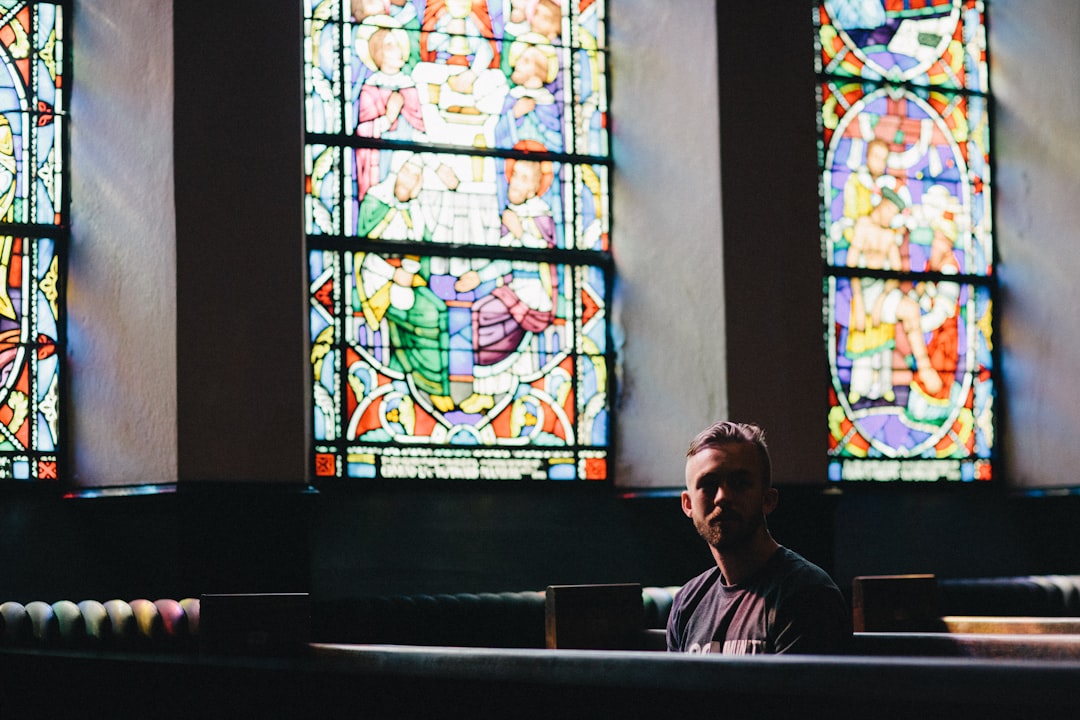
Victims of clergy sexual assault in Indiana need specialized legal support due to the sensitive nature of these cases and potential underreporting. Experienced clergy abuse lawyers in Indiana are crucial for guiding survivors through complex legal processes, offering emotional support, and ensuring their rights are protected. These attorneys navigate state-specific laws, aid in evidence gathering, and help victims understand their options, including filing civil lawsuits and advocating for systemic change within religious institutions.
Finding Justice: Legal Support for Clergy Sexual Assault Survivors in Indiana
Sexual assault within the clergy is a profound issue, often shrouded in secrecy. In Indiana, survivors face unique challenges when pursuing legal recourse. This article aims to guide you through the complex landscape of clergy sexual abuse and its legal implications. We’ll explore practical steps to seek support, emphasizing the crucial role a specialized clergy abuse lawyer plays in empowering victims. By understanding your rights, you can begin the journey towards healing and justice.
Understanding Clergy Sexual Assault and Its Legal Implications in Indiana

Clergy sexual assault, a sensitive and often underreported issue, involves abusive sexual behavior by members of the clergy or religious authorities towards individuals within their care or congregation. In Indiana, like many other states, such incidents have far-reaching legal implications. If you or someone you know has experienced clergy abuse, understanding your rights and available legal support is crucial.
Indiana laws regarding clergy sexual assault are designed to protect victims and ensure accountability. A clergy abuse lawyer in Indiana can guide survivors through the complex legal process, helping them seek justice and recover from the trauma. These professionals have expertise in navigating sensitive cases, ensuring that victims’ rights are protected while pursuing appropriate legal remedies.
Navigating the Process: Steps to Seek Legal Support as a Survivor in Indiana

Navigating the process of seeking legal support after experiencing clergy abuse can be challenging, especially in Indiana. The first step is to find a qualified and experienced clergy abuse lawyer who specializes in such cases. It’s crucial to look for attorneys with a proven track record in handling similar matters within the state, ensuring they understand the unique legal challenges and resources available in Indiana.
Once you’ve secured an attorney, they will guide you through several key steps. This typically involves gathering evidence, which can include documentation of the abuse, any relevant communications, and statements from witnesses or other survivors. Your lawyer will also help you file a complaint with the appropriate authorities, such as local law enforcement or the religious organization’s internal review board. Throughout this process, they will provide emotional support and ensure your rights are protected, helping you find justice and closure.
The Role of a Clergy Abuse Lawyer in Supporting Victims in Indiana

In Indiana, a clergy abuse lawyer plays a pivotal role in supporting and advocating for victims who have experienced sexual assault within religious institutions. These legal professionals are equipped to navigate the unique challenges faced by survivors of clergy-related abuse due to their specialized knowledge of both legal systems and the dynamics of faith communities. They provide crucial support by offering confidential consultations, guiding victims through legal processes, and ensuring their rights are protected throughout the journey.
A clergy abuse lawyer in Indiana assists victims in understanding their options, including filing civil lawsuits for damages and seeking justice. They help gather evidence, interview witnesses, and collaborate with other professionals to create a comprehensive support system. Furthermore, these lawyers advocate for systemic change by working with organizations dedicated to preventing and addressing clergy sexual abuse, ultimately aiming to create safer environments within religious settings.